
When Is It Time for a Septic Tank Service?
Septic tank services are a crucial aspect of home maintenance for properties that rely on septic systems rather than municipal sewer services. These systems manage and treat household waste through a natural process that involves bacteria and environmental interaction. This article delves into the intricacies of septic tank systems, highlighting when it's time to consider professional service to ensure their optimal operation and longevity.
Regular septic tank servicing prevents costly breakdowns and environmental hazards caused by system failures. By educating yourself on the functions and warning signs of septic system issues, you can avert potential disasters and contribute to a sustainable environment. This extensive guide will help you understand the workings of a septic system, recognize indicators of trouble, and choose appropriate maintenance strategies.
We'll cover everything from system components, signs of malfunction, and routine maintenance practices to selecting the right service provider. Understanding these elements is key to ensuring your septic system operates efficiently. Read on to discover how regular care can extend the life of your septic tank, protect your property, and promote a healthier ecosystem. Proactive maintenance not only saves money but also preserves the environment for future generations.
Understanding Your Septic System
Components of a Septic System
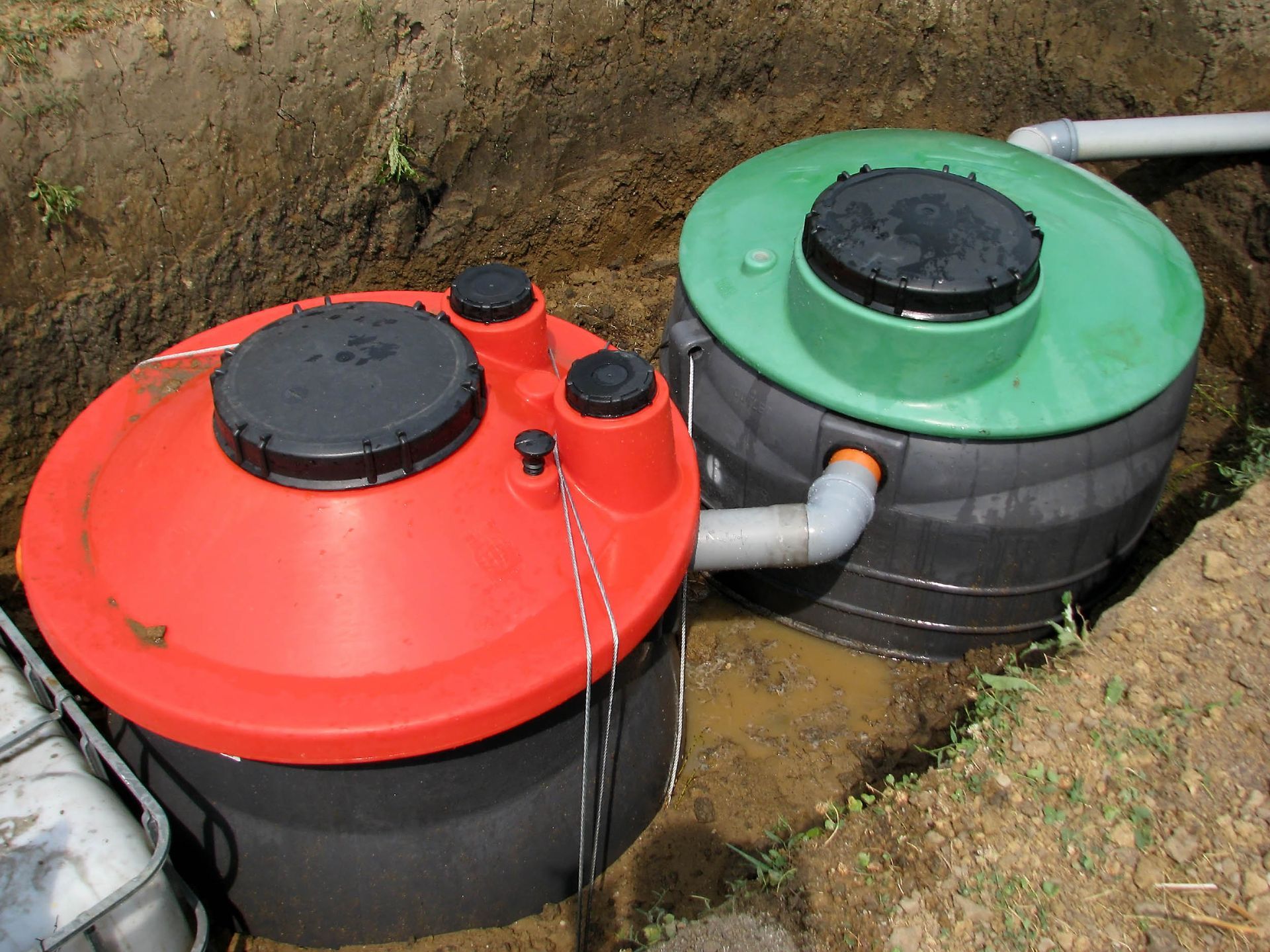
A septic system typically comprises a septic tank, a drain field, and the surrounding soil. The septic tank holds waste, allowing solids to settle at the bottom, forming sludge, while oils and grease float as scum on top. The middle layer, liquid effluent, exits the tank into the drain field, where it is further treated by the soil. The soil acts as a natural filter, breaking down contaminants and ensuring sanitized water returns to the water cycle. Proper component function is essential for a septic system to effectively process waste.
The septic tank itself is usually made of concrete, fiberglass, or plastic, and needs to be both watertight and durable to function over several decades. The drain field is a network of perforated pipes that distribute effluent across an area where the soil can absorb and neutralize bacteria, viruses, and nutrients. It’s important for homeowners to understand these components to diagnose potential issues and engage in preventative care. By doing so, they can maintain their septic system and ensure its smooth operation.
Moreover, the location and installation of these components have a great influence on the efficacy of the entire system. The system must match the landscape and adhere to local health codes. Knowledge of these fundamental features is crucial for effective system management and maintenance. Engaging with a certified professional from the beginning to set up and evaluate your septic system ensures compliance and efficiency. Understanding these components paves the way for a healthier, problem-free septic system.
How Septic Systems Work
Septic systems operate under a relatively simple principle: waste exits your home through a single exit pipe into the septic tank. Inside the septic tank, solids sink to the bottom, where they are broken down by bacteria over time, forming helpful bio-sludge. Meanwhile, oils and grease create a floating scum layer on the tank’s surface. Both layers are contained, while the liquid effluent flows out into the drain field. Here, soil serves as a natural filter, where helpful microbes ingest and neutralize harmful pathogens and nutrients.
It's important to maintain a balance of bacterial activity within the tank to ensure efficient breakdown. Disruptions like chemicals or an overload of waste can cause imbalances, leading to system failure. The gradual treatment process allows purified water to be released back into local groundwater systems, contributing to the local ecosystem's sustainability. The entire mechanism relies on natural processes and proper maintenance to keep functioning efficiently. Staying informed can help ensure these processes continue without interruption.
Understanding how septic systems work empowers homeowners to take appropriate actions to maintain their systems. When understood properly, septic systems provide a reliable means of managing household waste. Regular maintenance, like pumping solids, ensures continued performance and prevents costly overflows or mechanical failures. This underscores the importance of routine inspections and the presence of healthy bacteria to facilitate the waste decomposition process. Systems that function correctly contribute to an environmentally friendly means of waste treatment.
Importance of Regular Maintenance
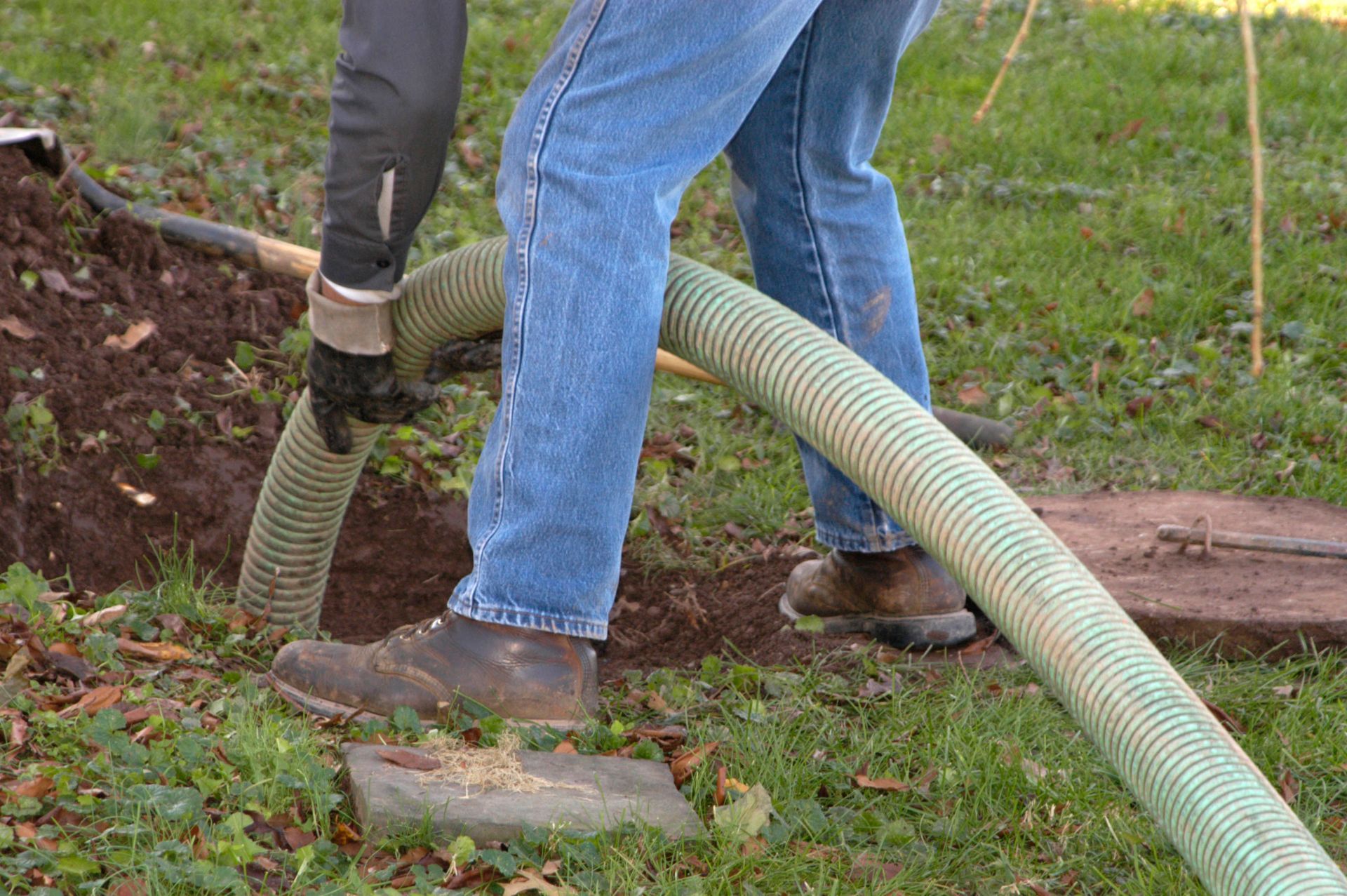
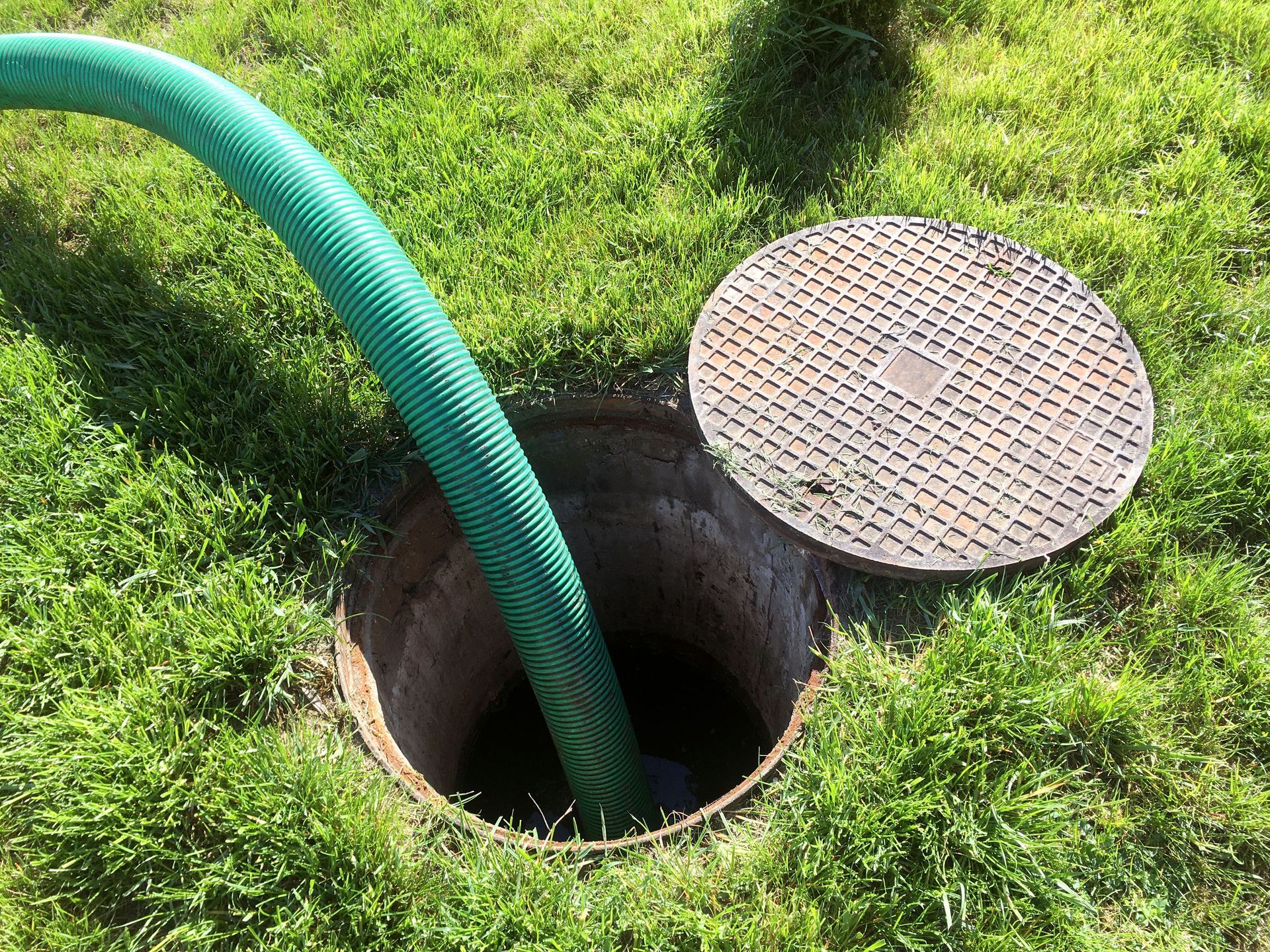
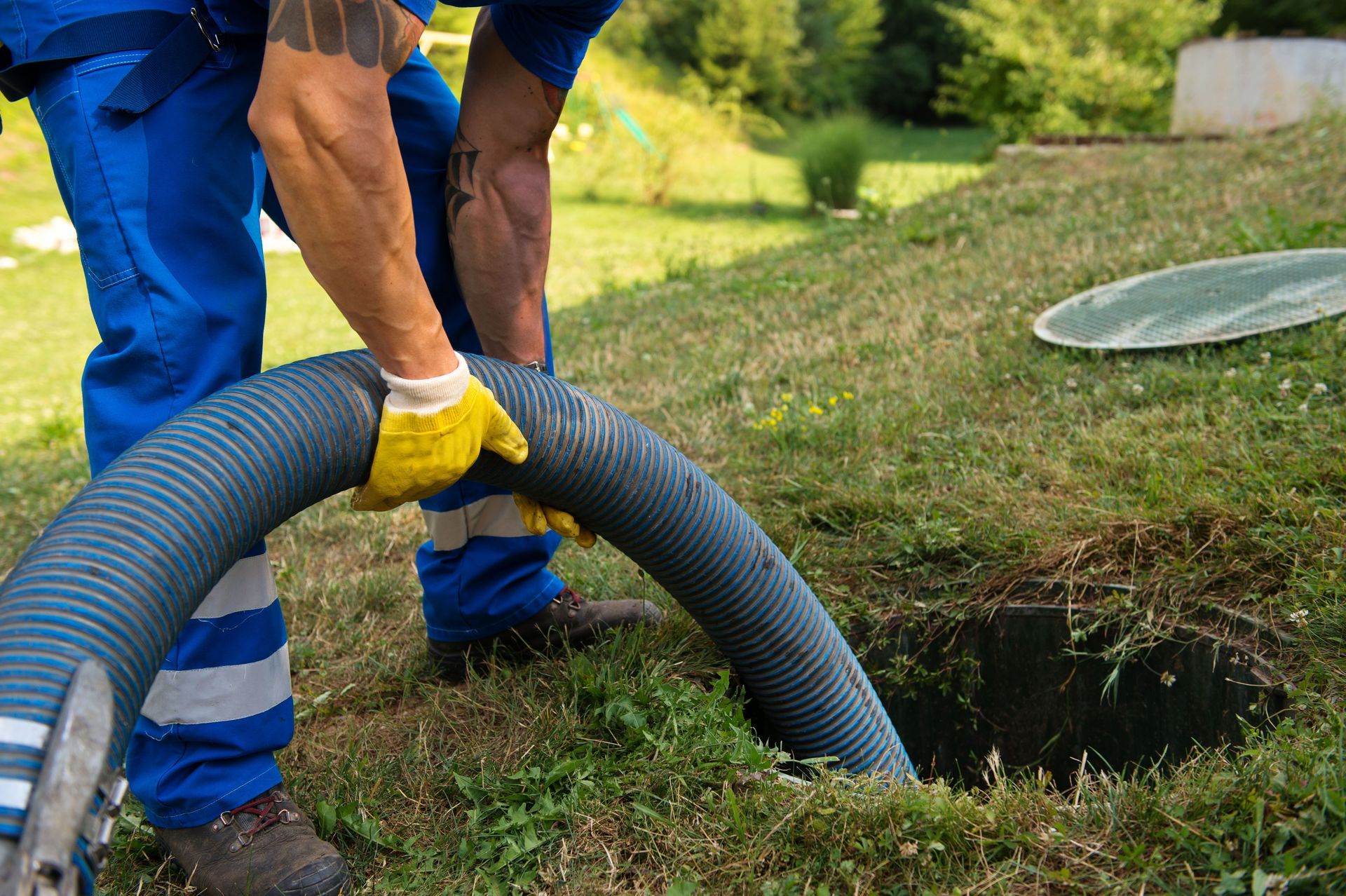
Regular maintenance is the foundation of ensuring the pristine operation of a septic system. When neglected, septic systems risk failing, leading to sanitary issues, environmental harm, and costly repairs. Routine checkups and services prevent these undesirable outcomes and extend the life of the system. One major maintenance task involves pumping the septic tank every few years to clear the buildup of solids and prevent overflow. According to BobVila.com, for a family of four with a 1,000-gallon septic tank, it’s recommended that it be pumped every 2.6 years.
Preventative maintenance is often more cost-effective than emergency repairs. Addressing issues early on through regular inspections can stave off significant expenses linked to system failures or replacements. By keeping a septic system in pristine condition, homeowners also protect their property values and safeguard local groundwater supplies. Maintenance encompasses more than just physical checkups—it includes educating household members about what can be flushed or drained. Many minor septic issues stem from improper waste disposal practices that can jeopardize system efficiency.
In addition to this, regular service includes making operational updates as newer technologies or strategies are developed. System improvements can lead to more effective waste processing and longer-lasting components, which save money and resources in the long run. By staying informed on the latest developments in septic systems, homeowners can maintain and even improve system performance. Maintenance is an essential commitment every septic system owner must uphold. This approach secures both the immediate functionality of the system and its long-term viability.
Common Types of Septic Systems
Several types of septic systems are in use today, each offering distinct advantages dependent on property specifications and user needs. Conventional systems, one of the most prevalent types, utilize a simple septic tank and drain field setup. They are effective for homes with suitable soil conditions and ample space for the drainage area. Chamber systems, another option, replace traditional gravel or stone with chambers that use an open-bottom design, fostering greater aerobic treatment in the effluent. Chamber systems are often used in areas where soil quality limits the absorption of wastewater.
Aerobic treatment systems, meanwhile, incorporate air pumps to boost bacterial activity, resulting in more treatment within the tank itself before expulsion into the drain field. This system is ideal for locations with less suitable soil conditions or where space is a constraint. The aerobic process facilitates more intensive processing, allowing for efficient waste decomposition in various environmental contexts. Choosing the right system generally depends on soil conditions, lot size, groundwater table height, and local regulations.
Understanding the varieties of septic systems allows for informed decision-making when it comes to installation and maintenance. Different systems have unique maintenance needs and cost structures, which property owners must accommodate. By selecting the system that best fits their environment and usage habits, septic system owners maximize efficiency and reduce unnecessary expenses. Consulting a professional during the decision-making process can provide valuable insights into the optimal septic system for each scenario. This proactive step can alleviate future complications and prolong system lifespan. Be sure to reach out to Nathan Brittain's Services for more information on our professional septic tank service!
Share On: