
5 Frequently Asked Questions About Septic Tank Pumping
Owning a home with a private septic system offers a sense of independence from municipal utility lines, but it also comes with a unique set of responsibilities. Unlike a city sewer system, where waste simply disappears down the drain and becomes someone else’s problem, a septic system requires active management to remain functional and safe. The centerpiece of this maintenance routine is the periodic pumping of the septic tank, a process that ensures solids do not overflow into your drainfield.
Navigating the world of wastewater management can be confusing for many homeowners, especially those who have recently transitioned from urban living to more rural or suburban environments. Questions regarding timing, costs, and the technicalities of the pumping process are common, yet finding clear and concise answers can sometimes feel like a daunting task. This guide aims to demystify the process by addressing the core principles homeowners ask about when maintaining their systems. By understanding these fundamentals and knowing when to call in professional help, you can protect your property and ensure your system serves your household reliably for decades to come.
1. Why Is Pumping My Septic Tank Necessary?
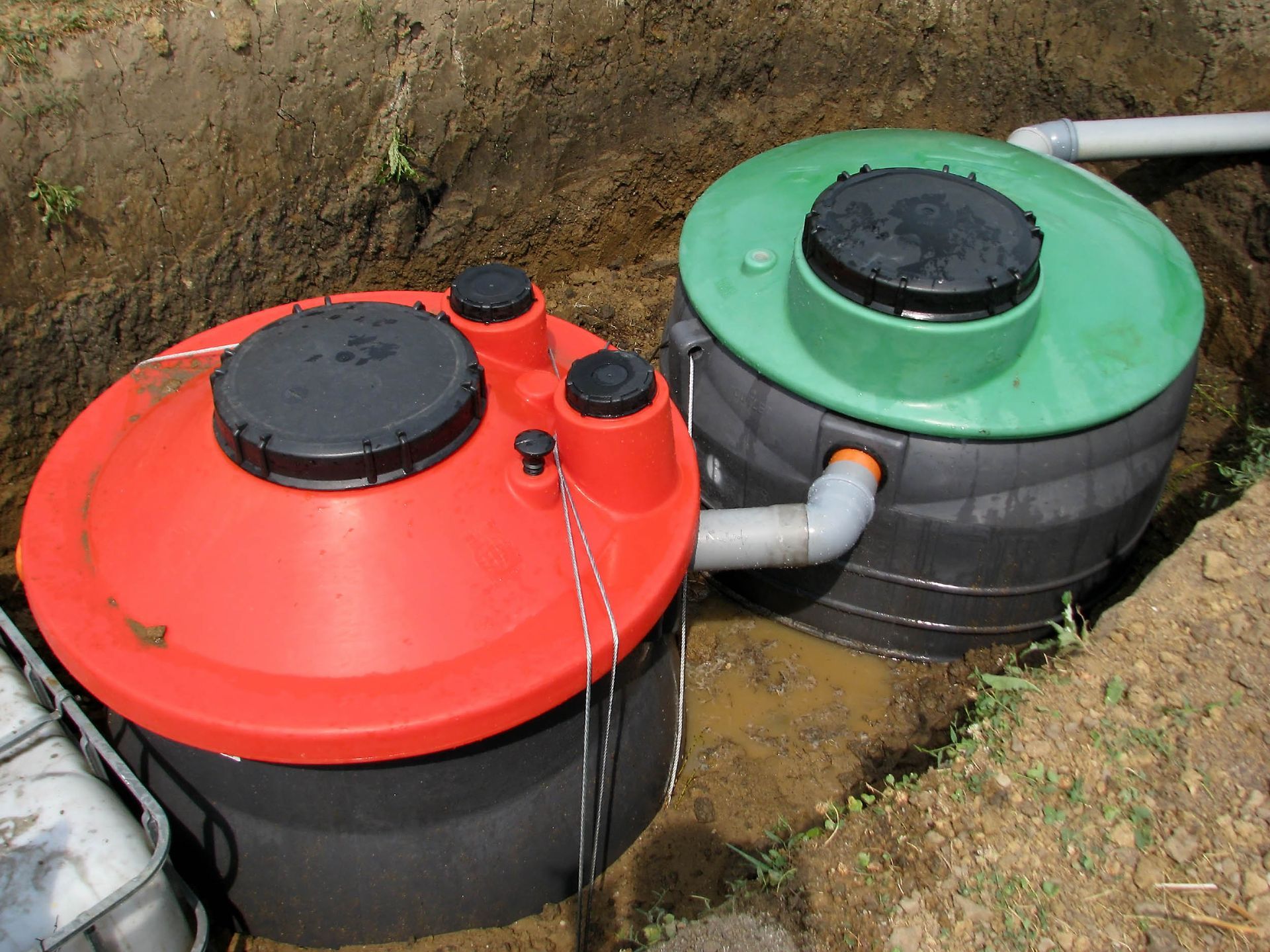
The primary purpose of a septic tank is to act as a settling chamber where solids separate from liquids. Over time, heavy solids sink to the bottom to form a layer of sludge, while fats, oils, and proteins float to the top to create a scum layer. The liquid in the middle, known as effluent, then exits the tank into the absorption area for further filtration. If you never pump the tank, the sludge and scum layers will eventually grow so thick that they take up the majority of the tank's volume, leaving no room for the solids to settle and forcing them out into the drainfield.
Regular pumping removes these accumulated solids before they can cause a blockage or environmental hazard in your yard. Think of it as an oil change for your home; while the system might appear to be running fine on the surface, the internal buildup is slowly degrading its efficiency and lifespan. By hiring local septic tank services to perform a thorough pump-out, you are essentially resetting the clock on your system and ensuring the biological processes remain balanced. This proactive measure ensures that the soil in your drainage area remains porous and capable of treating wastewater effectively without becoming saturated with sludge.
2. How Often Should the Tank Be Pumped?
Determining the exact frequency for maintenance depends on several factors, including the size of the tank, the number of people living in the home, and the volume of solids generated by the household. A larger family using a smaller tank will naturally require more frequent service than a single individual in a large home who produces less waste. General guidelines often suggest a range of three to five years for most residential systems, but specific household habits like frequent laundry or heavy cooking can shift this timeline significantly. It is always better to err on the side of caution rather than waiting for signs of a backup to appear.
Expert advice provides a more precise roadmap for specific household configurations to ensure optimal performance. According to BobVila.com, for a family of four with a 1,000-gallon septic tank, it’s recommended that it be pumped every 2.6 years. This specific timeframe highlights how quickly a standard system can reach its capacity when subjected to the daily demands of a modern family. By sticking to a rigorous schedule and consulting with local septic tank services, you can develop a customized maintenance plan that accounts for your specific usage patterns and prevents the sludge layer from reaching critical levels that cause overflow.
3. What Are the Signs of a Full Tank?
One of the most immediate indicators that your tank needs attention is the presence of slow-moving drains throughout the entire house. If you notice that the kitchen sink, the bathroom tub, and the toilet are all struggling to clear at the same time, the problem is likely not a localized clog in a single pipe but rather a backup at the main tank. You might also hear gurgling sounds coming from the plumbing when high volumes of water are discharged, such as when the washing machine drains. These auditory cues are the system's way of telling you that the air and water are struggling to find a path into an already crowded tank.
Outside the home, the signs can be even more pronounced and unpleasant for the homeowner. Foul odors resembling rotten eggs or raw sewage near the tank or the drainfield area are a major red flag that gases are escaping because the liquid level is too high. You might also notice patches of bright green, lush grass over the drainfield even during dry weather, or worse, areas of standing water and soggy soil. When you see these environmental changes, it is imperative to reach out to local septic tank services immediately to diagnose whether you need a simple pump-out or if the drainfield has already begun to fail.
4. How Do I Locate My Septic Tank?
Locating a buried septic tank can feel like looking for buried treasure without a map, especially if the previous homeowners did not leave behind a plot plan. Most tanks are located about ten to twenty feet from the house, following the path of the main sewer line exit. You can often find this exit point by looking in your basement or crawlspace to see where the large four-inch pipe leaves the foundation. Once you have a general direction, look for slight depressions in the lawn or areas where the grass grows differently, as these can be clues to the location of the tank lids.
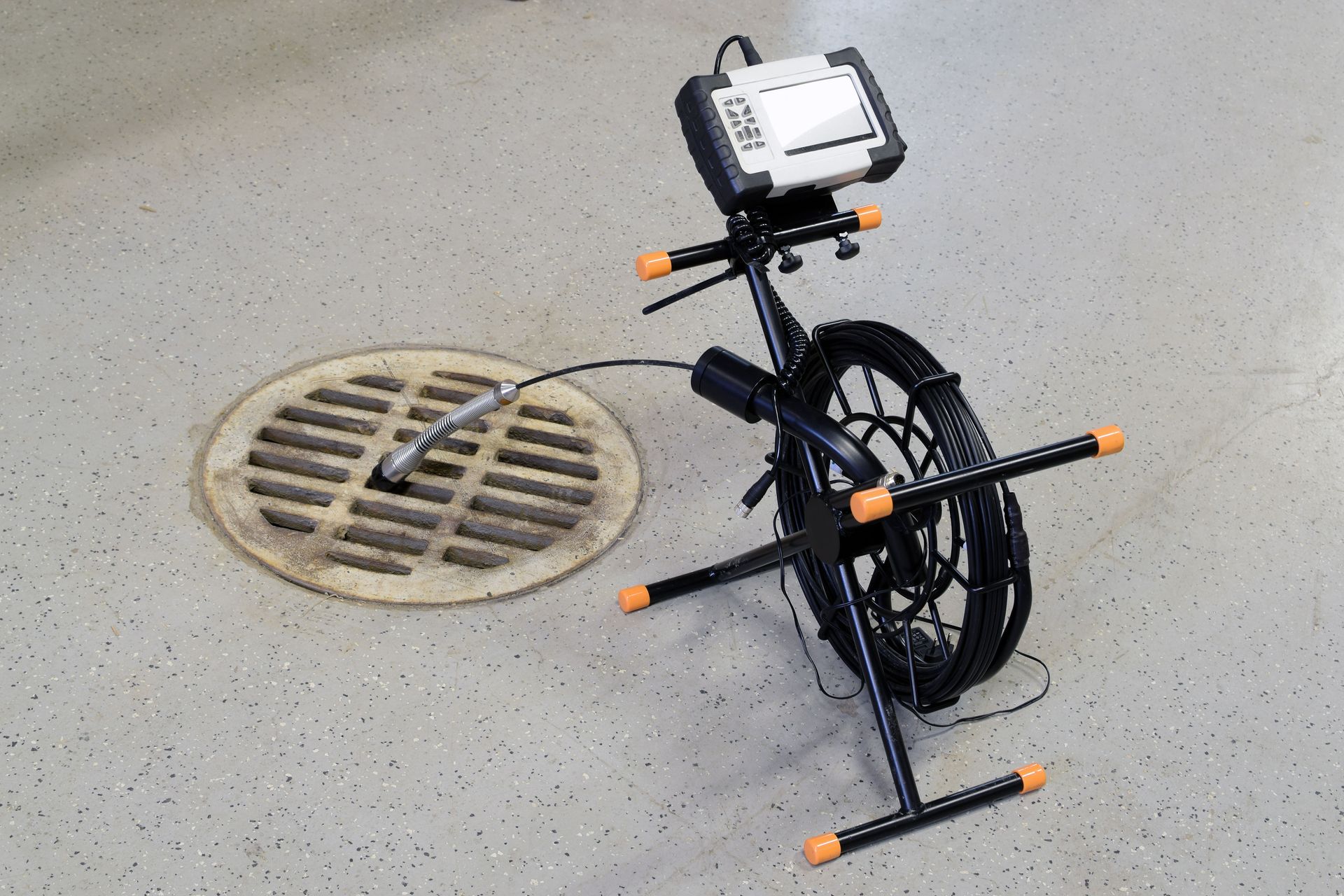
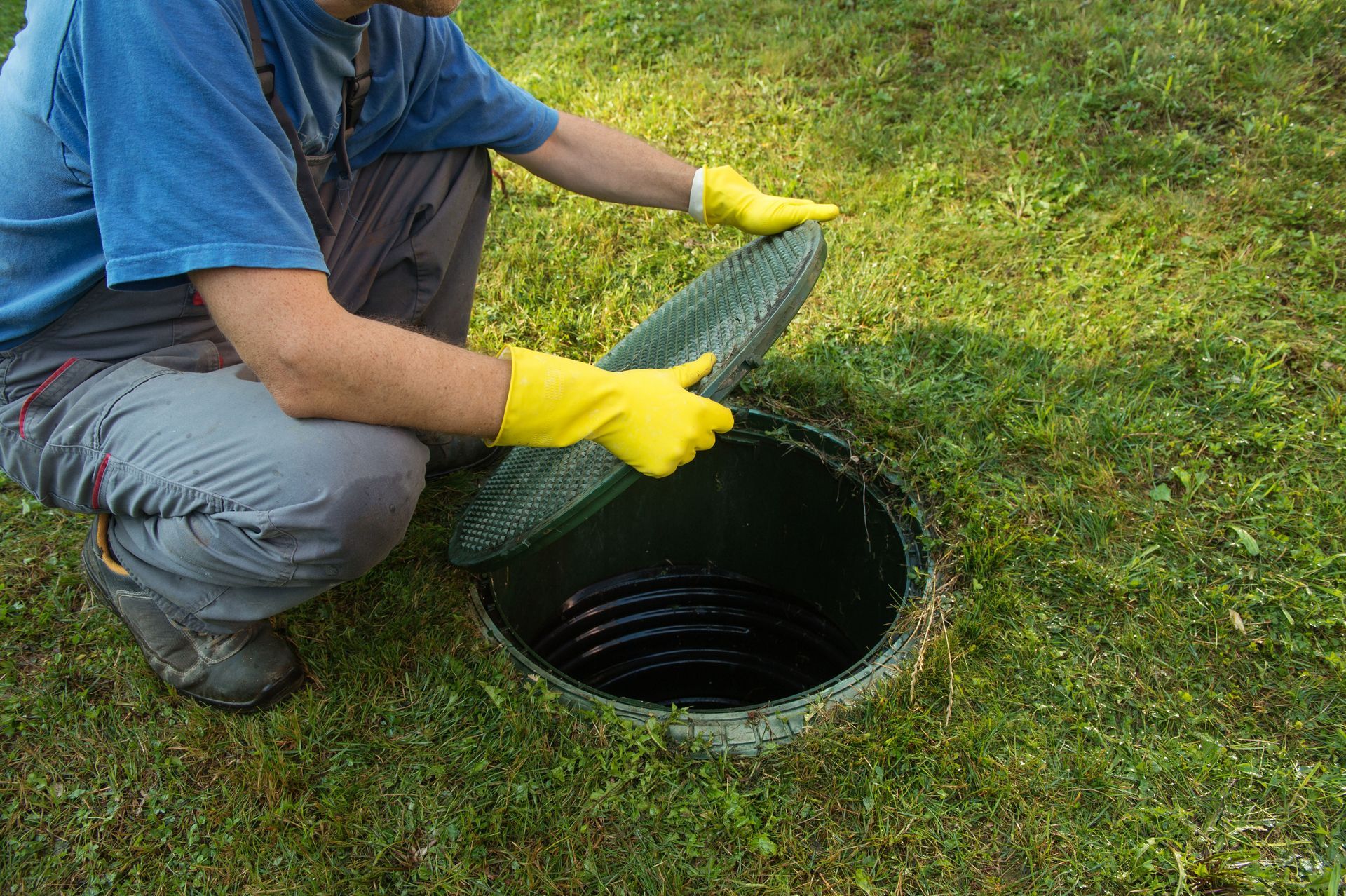
If visual inspections fail, homeowners often use a thin metal soil probe to gently poke into the ground until they strike the concrete or plastic top of the tank. This requires some patience and a bit of physical labor to uncover the lids, which are typically buried a few inches to a few feet below the surface. If the task proves too difficult or if you are worried about damaging the tank, professional local septic tank services have specialized electronic locating equipment. These experts can flush a small transmitter down the toilet and track its signal to pinpoint the exact location of the tank without turning your yard into a series of unnecessary holes.
5. Can I Pump the Septic Tank Myself?
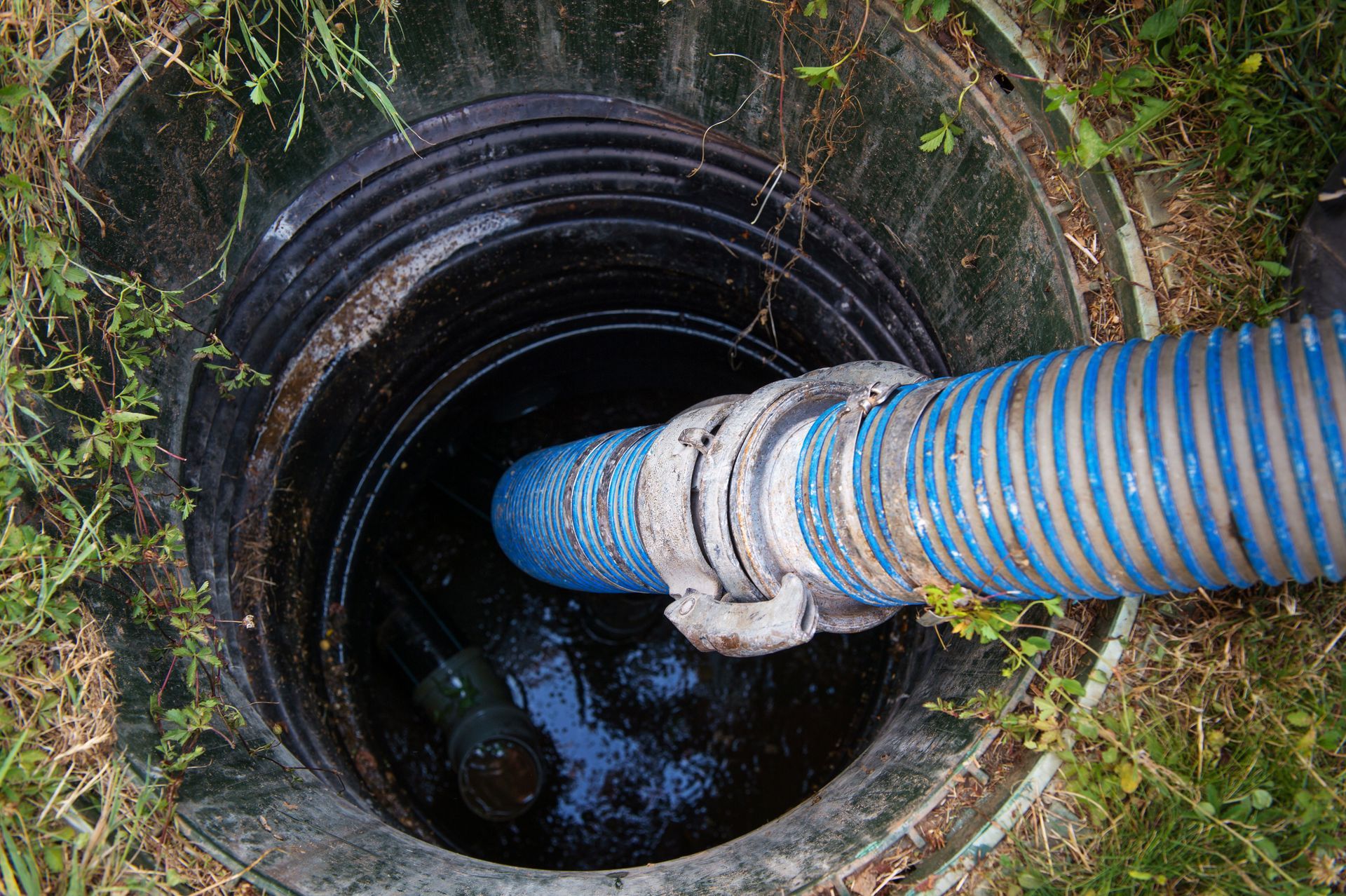
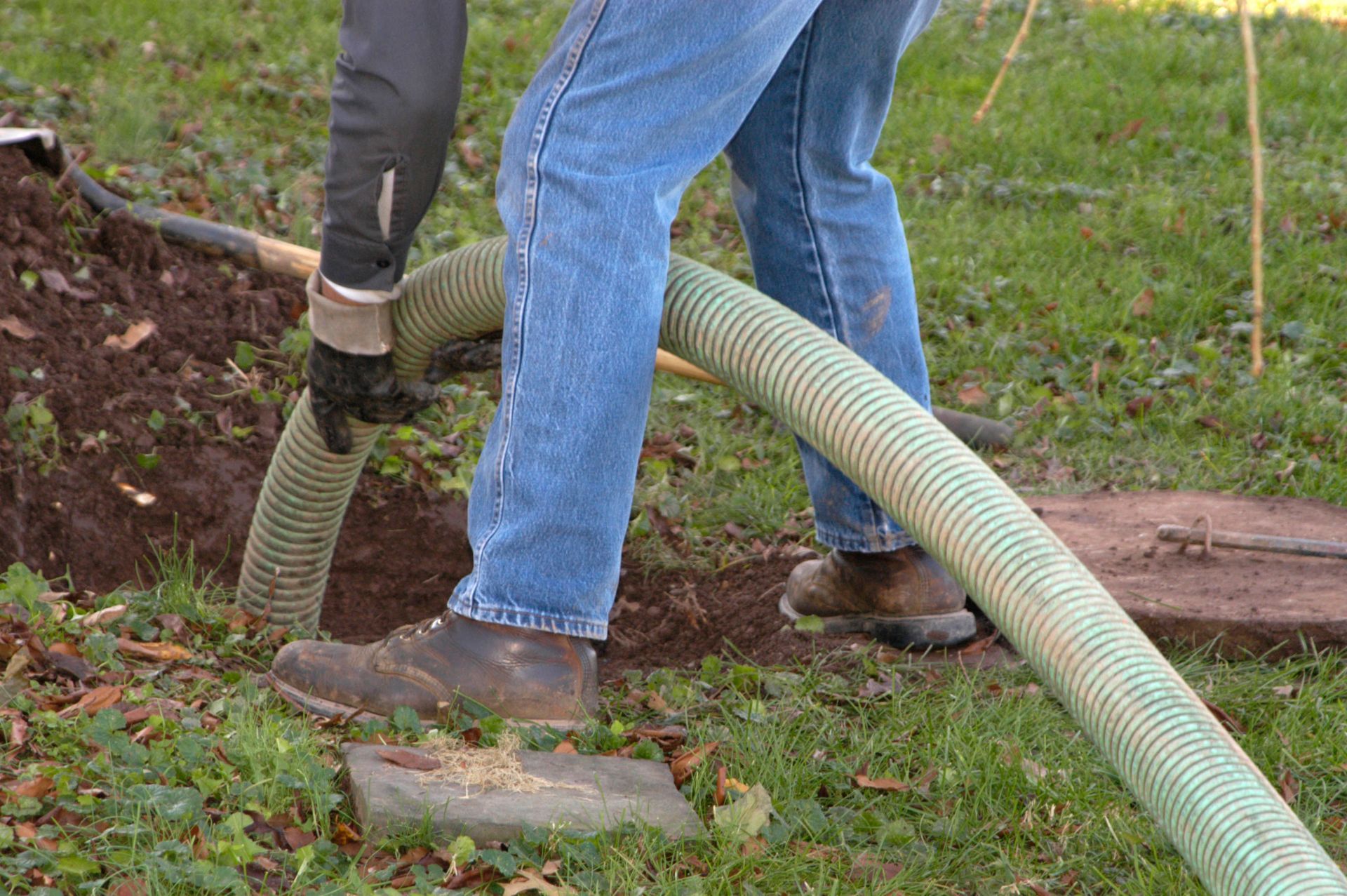
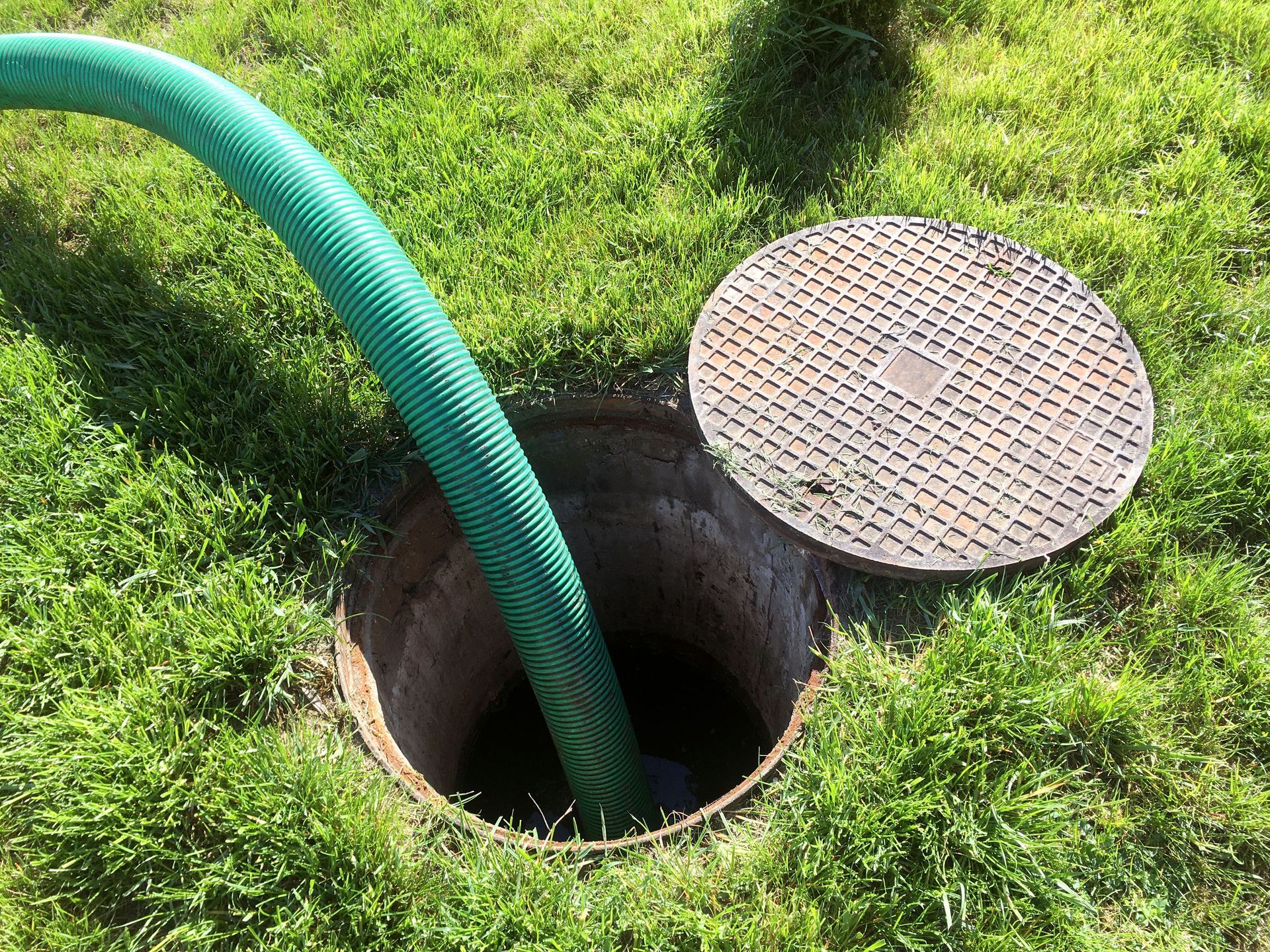
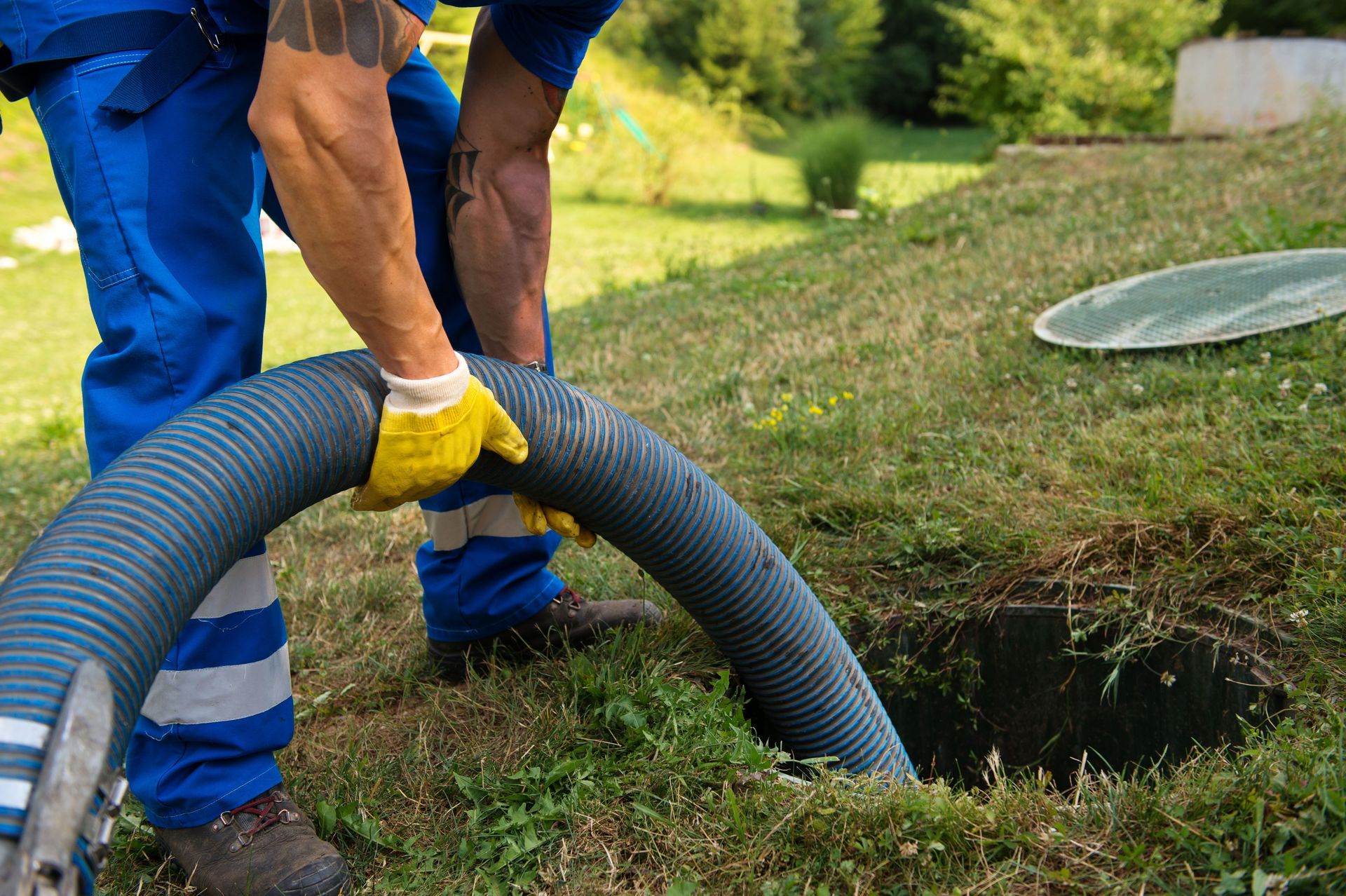
While the DIY spirit is alive and well in home maintenance, septic pumping is one task that must be left to the professionals. The equipment required is specialized and extremely expensive, involving heavy-duty vacuum trucks and hundreds of feet of reinforced hose. Furthermore, the waste extracted from a septic tank is considered a biohazard that contains pathogens, bacteria, and viruses that can cause serious illness if not handled with strict safety protocols.
Beyond the physical labor and health risks, there is the significant issue of legal disposal for the waste. You cannot simply dump septic waste into a hole in the woods or down a storm drain; it must be transported to a licensed treatment facility that is equipped to process high-strength domestic waste. Licensed local septic tank services are regulated by state and local health departments to ensure that every gallon of waste is tracked and disposed of according to environmental laws.
If you are noticing slow drains, strange odors, or if it has simply been too long since your last maintenance check, now is the time to take action. Waiting for a complete system failure is never the right strategy when it comes to wastewater. Our team is dedicated to providing reliable, thorough, and professional care for every part of your septic infrastructure. We understand the local soil conditions and the specific needs of residential systems in our area, ensuring your tank is serviced with the highest standards of safety and efficiency. To schedule your next inspection or pump-out with local septic tank services, contact Nathan Brittain's Services today.
Share On: